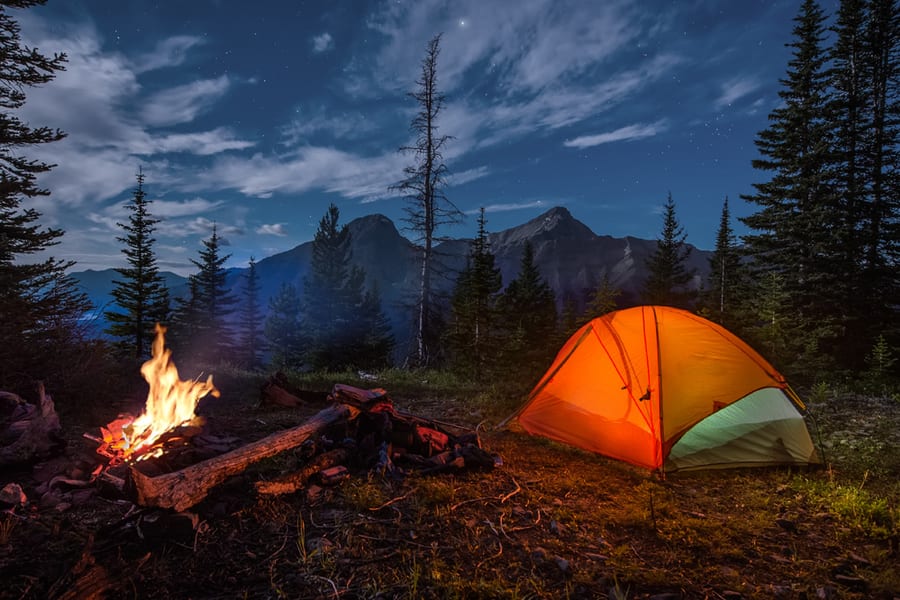
Camping in a recreational vehicle (RV) can be an exciting and unique way to experience the great outdoors. Nowadays RV camping is continuously trending. RV camping allows you to travel to different destinations while enjoying the comfort and convenience of a home on wheels.
 |
| RV Campsite |
Setting up your RV campsite can greatly affect your overall camping experience.
Here are some RV campsite setup ideas to consider:
Leveling: Make sure your RV is parked on a level surface to prevent any discomfort or issues with your RV's leveling systems. You can use leveling blocks, pads, or even a bubble level to ensure your RV is level.
Power and Water: Consider the location of the electrical and water hookups at your campsite. Ensure you have a long enough hose and electrical cord to reach these connections. You can also consider a surge protector to protect your RV's electrical systems.
Outdoor Living Space: Set up an outdoor living area with comfortable chairs, a picnic table, and a portable grill. This will allow you to enjoy meals and relaxation outside of your RV.
Lighting: Set up outdoor lighting to increase visibility and ambiance in your campsite. You can use string lights, lanterns, or even solar-powered lights.
Awning: Set up your RV's awning to provide shade and shelter from the elements. You can also consider adding an outdoor mat or rug to create a clean and comfortable area.
Privacy: Consider adding privacy screens or curtains to provide additional privacy and separation from neighboring campsites.
Storage: Organize your RV's storage to maximize space and accessibility. Use storage containers or hanging organizers to keep items easily accessible and tidy.
Safety: Make sure to have a fire extinguisher and smoke detector installed in your RV. Additionally, you can consider adding a carbon monoxide detector for added safety.
By implementing these RV campsite setup ideas, you can create a comfortable and enjoyable camping experience for yourself and your fellow campers.
What to Expect:
RV camping can vary depending on the type of RV you have, the location you choose, and your personal preferences. However, there are a few things you can generally expect when camping in an RV.
Space: RVs can range from compact trailers to large motorhomes. Regardless of the size, they all provide more space than a traditional tent. RVs usually have a kitchen, bathroom, and sleeping area, so you can enjoy the comforts of home while camping.
Amenities: RVs come equipped with a variety of amenities, such as air conditioning, heating, a refrigerator, and a stove. Some RVs even have a TV, microwave, and shower. Make sure to check what amenities your RV has before your trip.
Campground: Most RV camping takes place in a designated campground or RV park. These parks usually have facilities such as electricity and water hookups, dump stations, and sometimes even Wi-Fi.
Outdoor Activities: RV camping provides ample opportunity for outdoor activities, such as hiking, fishing, and boating. Many campgrounds offer organized activities such as guided tours or campfire gatherings.
Benefits of RV Camping
There are several benefits to RV camping, including:
Convenience: RV camping allows you to bring everything you need with you, including food, clothes, and other necessities. You don't have to worry about packing and unpacking, and you have the freedom to travel to different destinations without the hassle of finding accommodations.
Comfort: RV camping provides a level of comfort that traditional camping does not. You can sleep in a comfortable bed, cook meals in a fully equipped kitchen, and have access to a bathroom with running water.
Cost-Effective: RV camping can be a cost-effective way to travel. Instead of paying for expensive hotels and restaurants, you can bring your own food and accommodations.
Tips for a Successful RV Camping Trip
Plan Ahead: Before your trip, research the campgrounds and RV parks in the area you plan to visit. Make sure to reserve a spot ahead of time, as many campgrounds can fill up quickly.
Pack Smart: When packing for your trip, make a list of everything you need and check it off as you pack. Don't forget to bring essentials like bedding, towels, and cooking utensils.
Follow Campground Rules: Most campgrounds have rules and regulations that must be followed. Make sure to familiarize yourself with these rules before your trip to avoid any issues.
Prepare for Emergencies: It's always a good idea to be prepared for emergencies. Make sure to bring a first-aid kit and have a plan in case of severe weather.
Respect Nature: When camping in nature, it's essential to respect the environment. Practice Leave No Trace principles and pack out all trash and waste.
Conclusion
RV camping can be a fun and exciting way to experience the outdoors. With the comfort and convenience of a home on wheels, you can travel to different destinations and enjoy a variety of outdoor activities. By following these tips and being prepared, you can have a successful RV camping trip and create lasting memories with your family and friends.